
By: Mike Pinder, Wicked Labs Co-founder
Just before the holidays we hosted a phenomenal Masterclass on “Explore vs. Exploit” innovation modes from the brilliant minds of Steve Blank and Alex Osterwalder at our 5th International Symposium on Corporate, Policy and Wicked Acceleration.
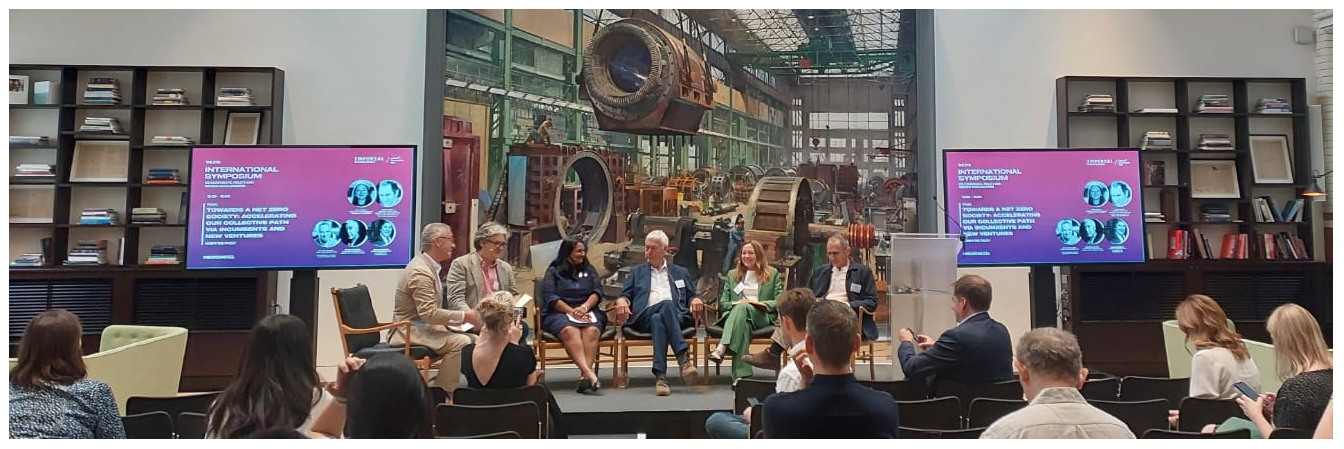
Here are some key learnings and takeaways on bridging the gap between running the core business and inventing the future:
The Innovation Paradox: Trying to force “Explore” into “Exploit” processes is what leads to “innovation theatre” – lots of talk, little impact.
The “Appendix A” Solution: Companies need a parallel rulebook for innovation. Imagine an “Appendix A” to every corporate manual (HR, Legal, Finance, Procurement) that says: “If you’re in the innovation pipeline, you follow these streamlined, fast-track processes.” This requires C-suite buy-in and a “yes by default” mindset for innovators.
Leadership is the Linchpin:
CEO Time: CEOs must personally dedicate significant time (e.g., 40%) to future exploration. Their commitment sends a powerful symbolic message.
Empowered Explorers: A dedicated “Chief Explorer” (or similar) with real power and budget is crucial to protect nascent ideas and teams.
Embrace Failure: Companies must have a “kill rate” for projects. If teams are condemned to succeed, they’ll play it safe, stifling breakthrough innovation. Failure in exploration is learning, not personal failure.
Scaling is a Separate Challenge: Moving from a validated idea (exploration) to mass adoption (exploitation) is a distinct phase requiring different KPIs and investment models (e.g., “return on portfolio” like VCs, not just project ROI). Even successful ventures like AWS required billions and a decade to scale.
Leverage Existing Assets: Large companies have immense advantages (customer access, IP, infrastructure) that startups lack. The challenge is enabling innovators to use these assets without getting bogged down by traditional corporate friction.
Disruption is Slow, Then Sudden: The “carriage company” analogy (4,000 companies, only 1 pivoted to automobiles) serves as a stark reminder. Industries can be completely disrupted if incumbents don’t proactively “explore” and adapt. AI is today’s “automobile” – it will fundamentally change work and business models.
This masterclass was a powerful reminder that true innovation isn’t just about tools; it’s about fundamentally rethinking organizational structure, governance, and leadership mindset.
What are your biggest challenges in fostering innovation within your organization in light of the Wicked Problems ahead?